Sucesión: cómo preparar tu empresa para trascender más allá de ti
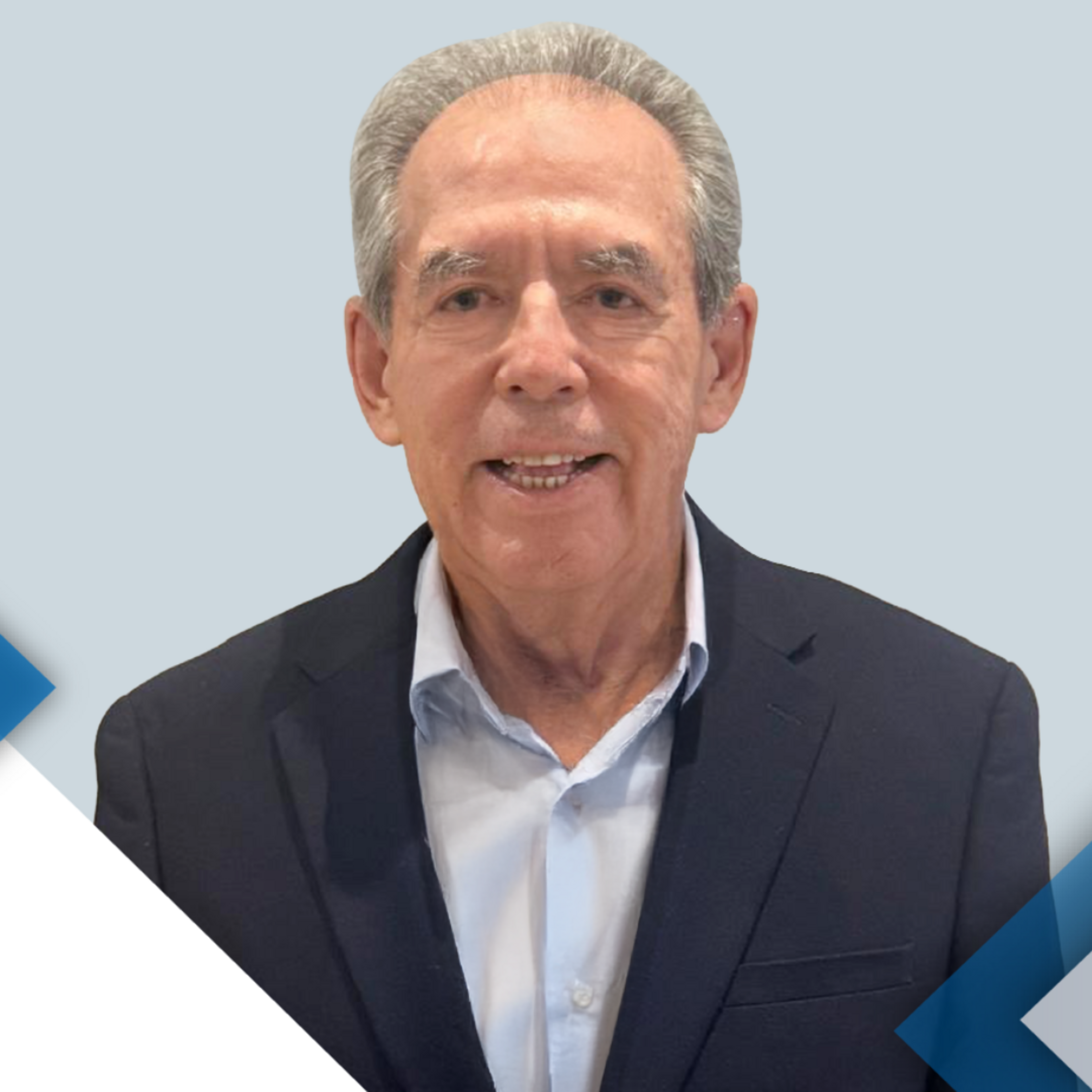
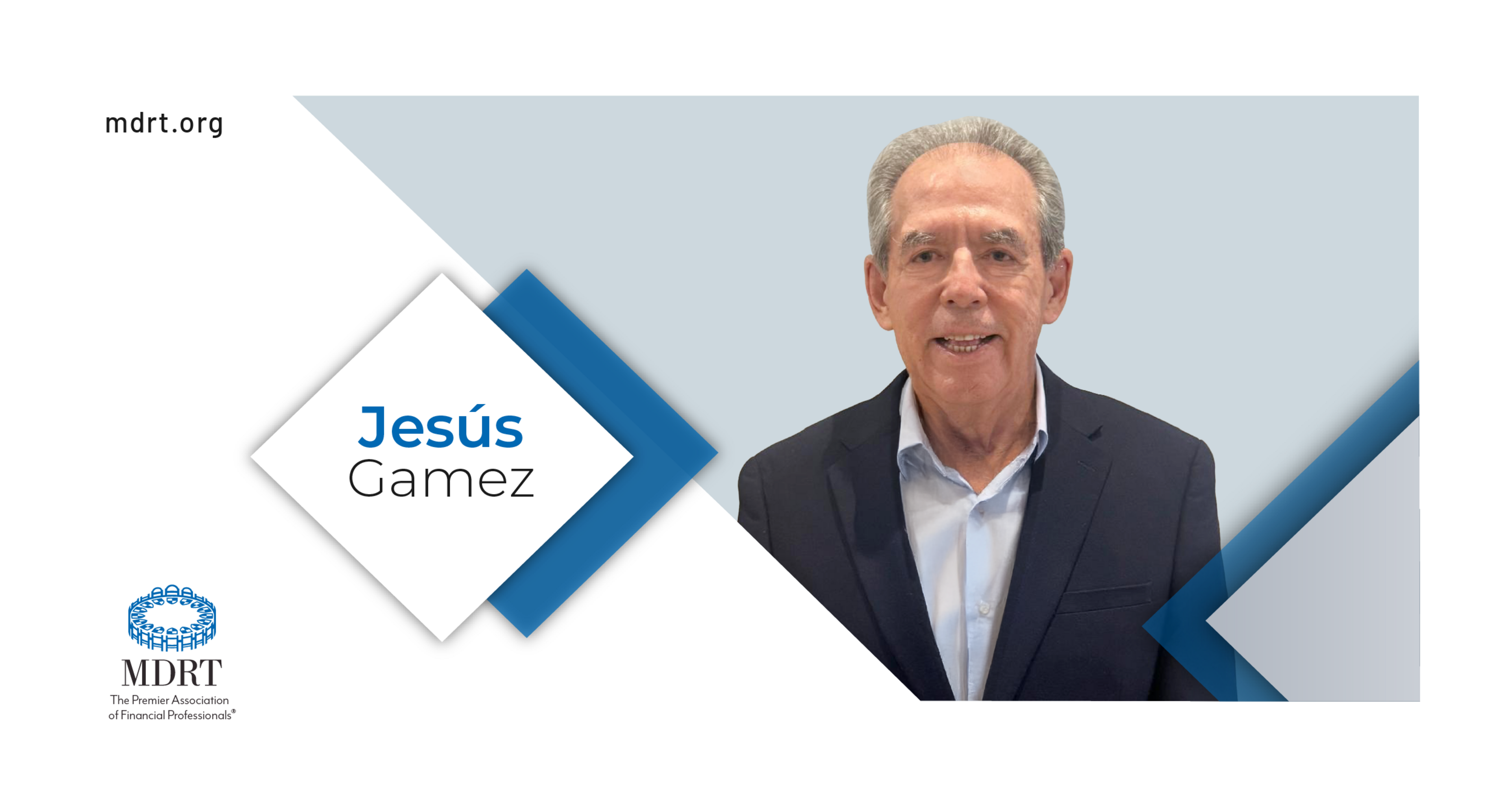
Al paso de los años, la construcción de un gran negocio requiere de tenacidad, disciplina y seguimiento, sin embargo, los negocios al trascender más allá de las personas requieren un puente adecuado para dar continuidad y certeza del negocio a clientes, socios y colaboradores; de ello nos comparte Chuy Gámez, interesante miembro MDRT.
Talking about continuity is talking about permanence, meaning, and purpose. In life and especially in professional life; continuity means much more than keeping a business operating. It means cultivating, day by day, the ability to do things better, sustaining a clear vision of the future, and working with the intention of transcending beyond physical presence. It is building a legacy that becomes a launchpad for those who come after us.
For Jesús Gámez Echevarría, known in the insurance industry as “Chuy Gámez,” continuity is not an abstract concept but a deep conviction. With 29 years as an MDRT member, he has come to understand that the true impact of a professional advisor is measured in years, in consistency, and in the ability to transfer values, practices, and culture to the next generation.
Awakening Succession Awareness
In 2015, Chuy faced a question many avoid: “What will happen to my business when I can no longer lead it at 100%?”
Succession is a topic that often appears late and is usually met with resistance. However, for him, it triggered an honest reflection about his responsibility as a leader to his family, his team, his collaborators, and especially to every policyholder who has trusted him for decades.
He understood that if he did not build a solid succession model, time would make the decision for him. Taking the first step became an act of leadership and congruence.
Principles That Sustain a Transcendent Style of Leadership
Over more than three decades, Chuy has been guided by values that have become pillars of his business and drivers of continuity.
Trust in the Team: Trust is not delegated; it is built. Having people who can respond autonomously to service challenges is essential for long-term continuity.
Honesty: Transparency with policyholders is his guiding principle. Communicating clearly and acting ethically has been key to maintaining a loyal and satisfied client portfolio.
Continuous and Efficient Work: Consistency defines permanence. In an industry that evolves every day, the ability to adapt and improve continuously sustains service quality and the intelligent use of time.
Passing on Leadership Without Losing the Essence
For Chuy, succession is not merely an administrative process—it is a cultural process. It involves passing on more than a business: it requires passing on a way of thinking and working.
Building leadership that can be delegated requires:
- Revisiting the history of the business
- Identifying mistakes that can become lessons
- Institutionalizing best practices
- Reinforcing the values that have defined the company
Key Stages in a Succession Process
Based on his experience, Chuy identifies three essential phases:
1. Initial Diagnosis. Recognizing the current structure of the business and identifying strengths and vulnerabilities.
2. Defining Vision and Objectives. Succession must be discussed openly. Potential successors need to understand and align with the long-term vision from the beginning.
3. Implementing the Model. Succession is a dynamic process. It requires executing, adjusting, documenting, and re-executing. As he often says:
“Along the way, the pumpkins find their place.”
Business vs. Culture: A Crucial Difference
Chuy draws a clear distinction between transferring a business and transferring a culture:
- Transferring a businessis handing over an asset.
- Transferring a cultureis passing on a way of serving, relating, and making decisions.
It is the second one that truly transcends.
Actions to Begin a Continuity Plan
For those who are halfway through their career, Chuy suggests three practical actions:
- Document the History. Write down what has been done, how it was done, and what could have been done better. Documentation is the backbone of succession.
- Visualize the Future of the Business. Define what the long-term objectives are and what path is needed to reach them.
- Involve the Right Successors. Continuity only exists when visions align. Successors must participate and be involved—not simply receive instructions.
Indicators of a Healthy Succession Process
A well-structured succession process can be identified through three signals:
- High involvement of the successors, in his case, his daughters and son-in-law, taking on increasingly relevant roles.
- Institutionalized processes, updated manuals, and operational clarity.
- Satisfied clients, even during transition.
If these elements are present, succession is moving in the right direction.
The Whole Person Philosophy as a Compass
For Chuy, coherence between thinking, feeling, and acting is fundamental. His way of living the Whole Person philosophy—integrating work, family, spirituality, health, friendship, and community—has been one of his greatest tools for guiding the next generation. Succession becomes stronger when it originates from personal balance.
Keys That Transcend Generations
The lessons Chuy hopes to leave the next generation can be summarized in three essential principles:
- Discipline, which sustains daily excellence.
- Friendship, which strengthens authentic and lasting relationships.
- Commitment, which honors what is promised to clients and partners.
And as he says:
“Whatever you do, do it with passion and dedication… but more often.”
Jesús Gámez
jgamez39@hotmail.com